What Is Dietary Fiber? What It Does in the Body
The short answer: Dietary fiber is the part of some carbohydrates that is not digested in the small intestine. It occurs in foods such as beans, fruits, vegetables, and whole grains; its types differ in how they behave in the gut and body.
- Fiber is not one substance: soluble, insoluble, viscous, and fermentable fibers can behave differently.
- Whole plant foods provide fiber along with other nutrients; isolated fibers are used in some foods and supplements.
- Increase fiber gradually and include fluids; individual needs vary, especially with digestive conditions.
What is dietary fiber?
Dietary fiber refers broadly to carbohydrates and related plant components that resist digestion in the small intestine. The FDA definition for food labels includes certain fibers intrinsic and intact in plants, plus specified isolated or synthetic non-digestible carbohydrates with recognized beneficial physiological effects.
This regulatory definition helps explain why a Nutrition Facts label does not capture every scientific nuance. Fiber is a broad category, not a single ingredient with identical effects. Whole foods also contain vitamins, minerals, and other plant compounds.
Some fibers are fermented by bacteria in the colon, a process that can produce gas. A sudden increase may also change stool frequency or cause fullness before the digestive system adapts. Increase portions gradually, vary sources, and notice tolerance. If symptoms are severe or a prescribed eating plan limits fiber, get individualized guidance instead of pushing through discomfort.
What happens to fiber in the digestive tract?
Unlike many digestible carbohydrates, fiber is not broken down and absorbed in the same way. Some fibers hold water or add bulk to stool; some are fermented by microbes in the large intestine. The degree of solubility, viscosity, and fermentability varies, so different fibers may have different digestive and metabolic effects.
A review from the Academy of Nutrition and Dietetics describes fiber properties such as fermentability and viscosity as relevant to health effects. Its population-level position supports eating a variety of plant foods rather than relying on one supposedly ideal fiber.
The Nutrition Facts panel reports grams of fiber under applicable labeling rules, but it does not describe the fiber’s viscosity, fermentability, or likely effects for a particular person. Food context matters too: beans, fruit, and whole grains provide nutrients in addition to fiber. A varied pattern is generally more useful than chasing one high number from a single product.
What are the main types of fiber?
Soluble fiber dissolves or disperses in water and is found in foods such as oats, beans, and some fruits. Insoluble fiber is common in whole grains, nuts, and vegetable skins and can add bulk. Many foods contain a mixture. These labels are useful shorthand, but they do not fully predict how a particular person will respond.
For a closer comparison, read our soluble versus insoluble fiber guide.
When choosing more fiber, consider convenience and preference: oats at breakfast, beans in a soup, fruit with a meal, or vegetables added to a familiar dish are all possible approaches. There is no requirement to use specialty products. A steady pattern is easier to maintain than a sudden overhaul.
Fiber-related effects vary across conditions and ingredients. For example, a product marketed as fiber may contain a specific isolated ingredient rather than the mix found in whole foods. Labels can help identify the source, while a dietitian can tailor choices if you have symptoms or dietary restrictions.
What foods provide fiber?
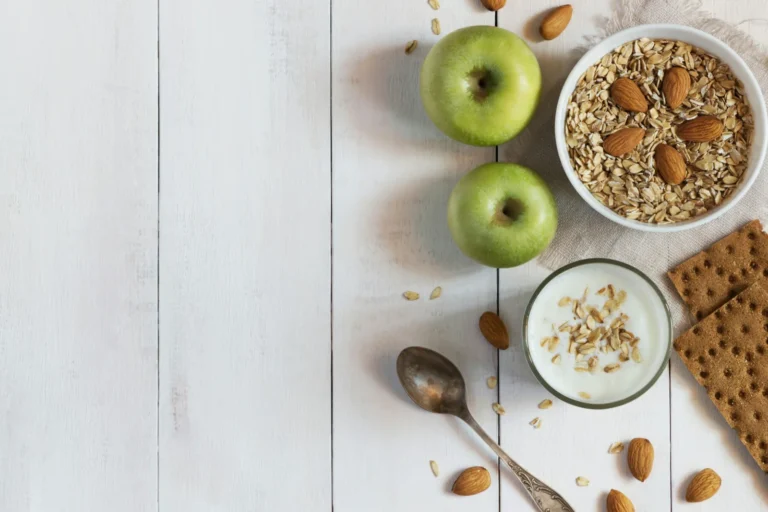
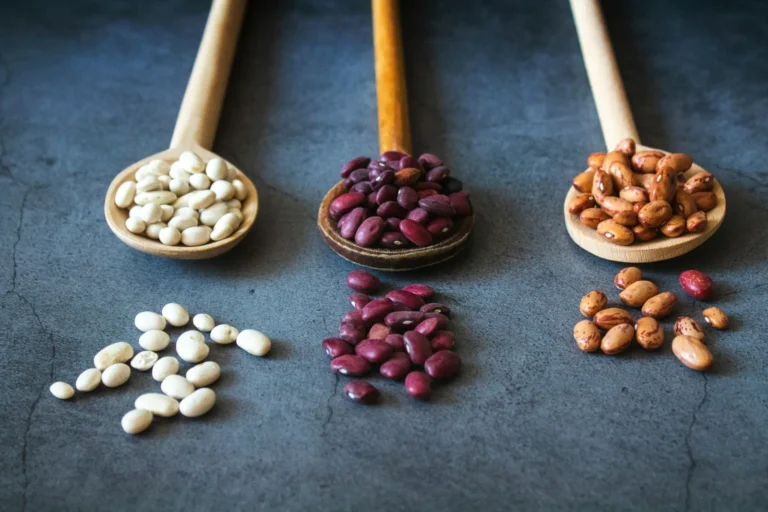
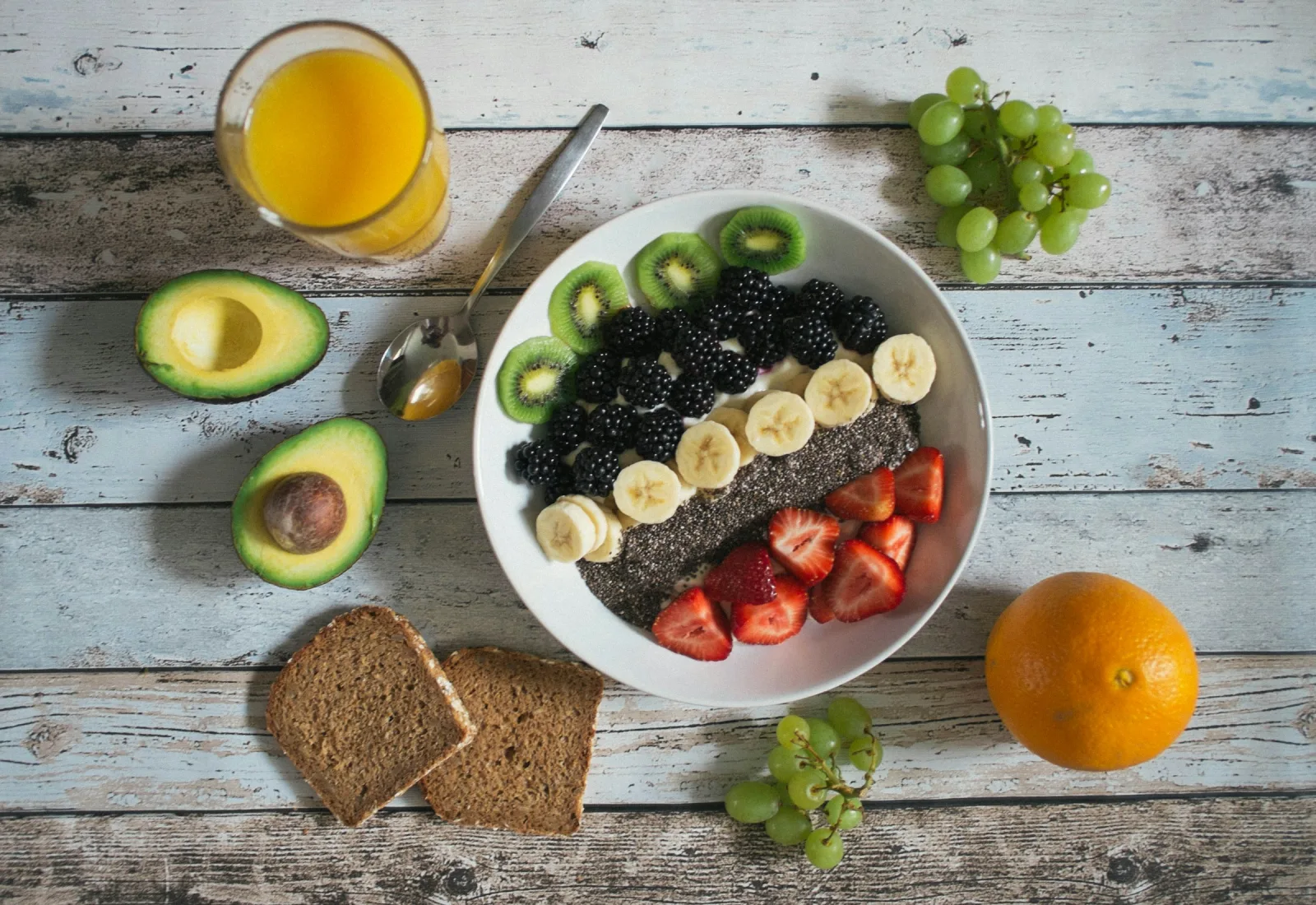
Useful sources include beans and lentils, whole grains such as oats and whole-wheat bread, fruits, vegetables, nuts, and seeds. A simple approach is to include a plant source at meals and snacks, choosing foods you enjoy and tolerate. NIDDK lists legumes, whole grains, fruits, vegetables, and nuts as fiber-rich choices.
Fiber supplements can provide specific types, but they do not replace the broader nutritional value of varied foods. The fiber guide for women and constipation guide cover food choices and practical use.
How much fiber do adults need?
Recommended amounts vary by age, sex, energy needs, and national guidance. One Academy position statement cites an adequate intake of 14 grams per 1,000 calories, corresponding to 25 grams daily for adult women and 38 grams for adult men. NIDDK gives a broader adult range of 22–34 grams depending on age and sex. These population references are not individualized targets.
If you currently eat little fiber, add it in stages and drink adequate fluids. NIDDK advises increasing fiber gradually so the body can adjust. If you have a bowel disorder, narrowing, or a clinician-prescribed diet, ask for tailored guidance before making a large change.
The NIDDK’s food and fluid guidance gives a practical starting point when changing your fiber intake. Increase it gradually, use foods that fit your routine, and ask about fluid needs if a medical condition requires a fluid limit.
What are fiber’s benefits and limits?
Fiber can support bowel regularity, and certain types have evidence for effects such as lowering blood cholesterol or blood glucose. FDA recognizes specific physiological effects for fibers that qualify for labeling. Higher-fiber dietary patterns are associated with health benefits in population research, but those associations do not mean every fiber source prevents disease or treats an existing condition.
People respond differently. A sudden increase can cause gas or discomfort, and some clinical conditions require different approaches. If constipation persists, worsens, or comes with blood in stool, significant pain, or unexplained weight loss, contact a healthcare professional.
Frequently asked questions
Is fiber only found in plants?
Most naturally occurring dietary fiber is intrinsic to plant foods. Some isolated or synthetic non-digestible carbohydrates are also recognized as fiber for labeling when they meet regulatory criteria.
Are soluble and insoluble fiber the same?
They describe different behaviors in water and the gut. Many foods contain both, and each category includes fibers with varied effects.
Should I increase fiber quickly?
Usually it is more comfortable to increase gradually and drink adequate fluids. Seek individualized advice if you have a digestive condition or persistent symptoms.
This article is for education and is not medical advice. Talk to your clinician before changing supplements, medications, or care.
Health Science Mag is an educational publication. Articles are for information only and are not medical advice. Talk to your clinician before changing your supplement routine.