Foods High in Soluble Fiber: A Practical List
The short answer: Useful food sources include oats and barley, beans and lentils, some fruits and vegetables, nuts, seeds and psyllium. The amount and type vary by food, so building a varied, fiber-rich eating pattern is more practical than chasing a single “best” source.
- Oats and barley provide beta-glucan; legumes, fruit, vegetables, nuts and seeds contribute soluble fiber alongside other nutrients.
- FDA recognizes specific soluble-fiber amounts from oats or barley and psyllium in a qualified heart-disease risk claim; that is not a guarantee of personal results.
- Increase fiber gradually and drink enough fluids; individual tolerance and needs differ.
Which foods are high in soluble fiber?
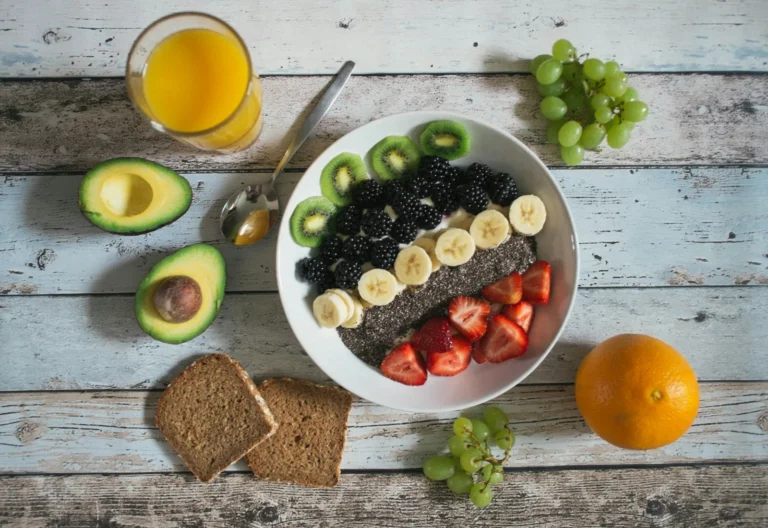
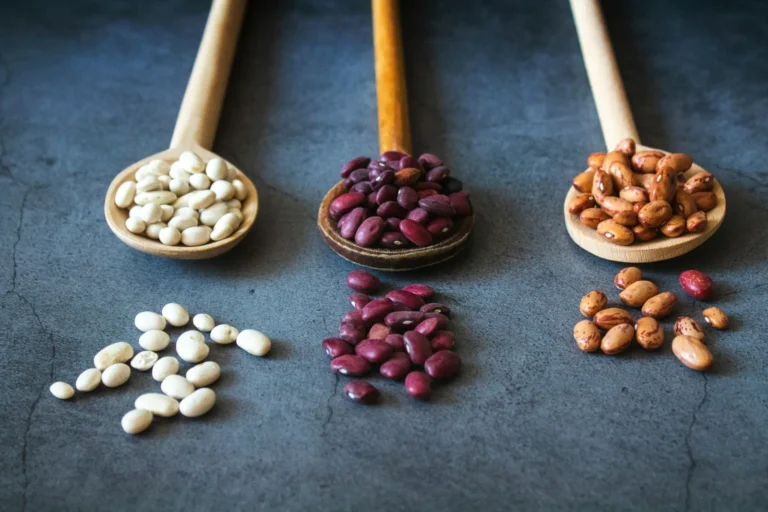
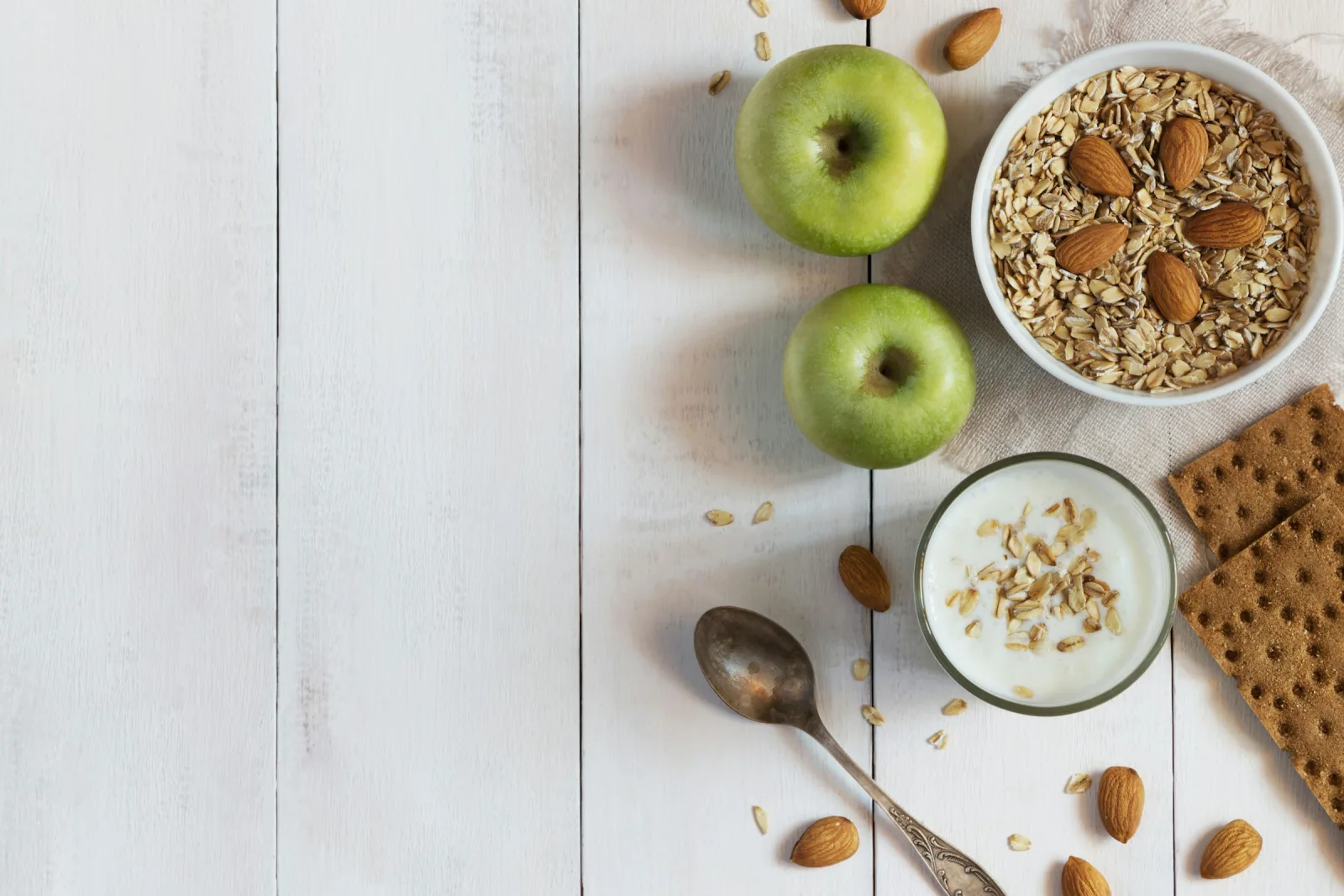
Oats and barley are familiar sources of beta-glucan, a soluble fiber. Beans, lentils, peas, apples, pears, citrus, berries, carrots, Brussels sprouts, nuts and seeds can also contribute soluble fiber as part of a varied diet. The exact amount depends on the food and serving, and many foods contain both soluble and insoluble fibers.
A useful place to start is foods you already enjoy: oatmeal at breakfast, beans in soup or a grain bowl, fruit as a snack, or vegetables added to meals. You do not need a special powder to eat more soluble fiber. Psyllium is a fiber supplement, not a food, and it is discussed separately from naturally fiber-rich foods. For background, read our guide to what soluble fiber is and our women’s fiber guide.
How can you add soluble fiber to meals?
Rather than trying to calculate every gram, use a simple food-first checklist. The examples below are flexible options, not a ranking or exact fiber comparison. Portion size, preparation and product type affect the amount, and most plant foods contain a mixture of fiber types.
| Meal or snack | Food idea | Easy way to use it |
|---|---|---|
| Breakfast | Oats or barley | Make porridge, overnight oats or a savory grain bowl. |
| Lunch | Beans, chickpeas or lentils | Add to soup, salad, wraps or a grain bowl. |
| Snack | Apple, pear, orange or berries | Pair fruit with nuts or yogurt if that suits you. |
| Dinner | Peas, carrots, Brussels sprouts or other vegetables | Add a vegetable side or mix into a stew. |
| Meal add-on | Chia, flax, nuts or seeds | Sprinkle into cereal, oats or a salad. |
Choose based on access, taste, budget and how your body responds. Frozen, canned or dried forms can be convenient; check labels for added ingredients if that matters to you. A meal pattern with several plant foods tends to provide a broader mix than relying on one item alone.
For a low-effort start, keep one shelf-stable option on hand, such as canned beans or oats, and one fruit or vegetable you can add without much preparation. Rinsing canned beans can reduce surface sodium, while choosing plain oats gives flexibility to add fruit, nuts or spices. These are convenience ideas; fresh foods are not required for a fiber-rich meal.
What does soluble fiber do?
Soluble fibers differ in how they behave in water and how gut microbes ferment them. Some form a gel-like texture; others are fermented to varying degrees. Their effects also differ by fiber type and food source, so “soluble fiber” is not one uniform ingredient with one guaranteed result.
FDA regulations permit a qualified health claim that diets low in saturated fat and cholesterol and including soluble fiber from certain foods may help reduce coronary heart disease risk. The regulation identifies daily intakes of at least 3 grams of beta-glucan soluble fiber from whole oats or barley, or at least 7 grams of soluble fiber from psyllium seed husk, in the context of the specified diet. This is a carefully limited food-label claim, not evidence that an individual food prevents heart disease on its own. The same regulation does not imply soluble fiber is the only way to reduce risk.
Fiber also supports bowel regularity. NIDDK advises that adults generally need 22 to 34 grams of total dietary fiber daily, depending on age and sex; that figure is for all fiber, not a soluble-fiber target. Needs can vary, so avoid treating the general range as a personalized prescription.
The FDA’s dietary-fiber guidance explains how naturally occurring and added fibers qualify for labeling. A Nutrition Facts panel usually lists total fiber. That number cannot tell you how much is soluble unless the label supplies a separate figure.
How can you increase fiber without discomfort?
Add fiber gradually so your digestive system has time to adjust. For example, add a serving of beans or fruit first, then see how you feel before making another large change. Drink enough liquids; NIDDK notes fluids help fiber work better. People differ in tolerance, and some may find particular foods increase gas or bloating.
If you have a digestive condition, have been told to follow a low-fiber diet, or notice persistent pain, bleeding, or bowel changes, ask a healthcare professional before making a major change. Fiber is not a substitute for evaluation of persistent symptoms. If constipation is the reason you are exploring fiber, our article on dietary fiber and constipation provides more context.
How do you choose between food and supplements?
Whole foods offer fiber alongside nutrients and make it easier to vary what you eat. A supplement may be convenient in some circumstances, but it is not automatically necessary or suitable for everyone. Check product labels and follow any clinician guidance; do not assume all added fibers have the same research or effects. FDA’s labeling definition distinguishes certain intrinsic and intact plant fibers from added isolated fibers that have met specified criteria.
If you want a heart-health benefit, think in terms of an overall eating pattern rather than a single food or nutrient. Soluble-fiber foods can fit into meals that also include vegetables, fruit, legumes and whole grains. If you have a medical condition or take medicines and are considering a fiber supplement, discuss it with a pharmacist or clinician because timing and tolerance may matter.
There is no need to hit an exact soluble-fiber number from food tables. A varied and gradual approach is more sustainable: add oats or barley, include legumes regularly if tolerated, and choose fruit, vegetables, nuts or seeds that fit your meals.
When checking a packaged food, the Nutrition Facts label reports total dietary fiber, not a simple breakdown of soluble versus insoluble fiber. Ingredient lists can identify oats, barley, legumes or added fibers, but they do not always reveal the amount of each type. Treat labels as a practical shopping aid rather than a complete description of how your digestive system will respond.
Frequently asked questions
Are bananas high in soluble fiber?
Bananas contain dietary fiber, including soluble fractions, but the amount varies with size and ripeness. They can be one option within a varied pattern rather than a uniquely high or necessary source.
Which food has the most soluble fiber?
There is no single best choice across all foods and serving sizes. Oats and barley provide beta-glucan, while legumes, some fruit and vegetables, nuts and seeds contribute different fibers.
Is soluble fiber better than insoluble fiber?
Soluble and insoluble fibers have different properties, and many plant foods contain both. A varied intake is more useful than trying to maximize one category; the article “Soluble Fiber vs. Insoluble Fiber” explains the distinction.
This article is for education and is not medical advice. Talk to your clinician before changing supplements, medications, or care.
Health Science Mag is an educational publication. Articles are for information only and are not medical advice. Talk to your clinician before changing your supplement routine.